
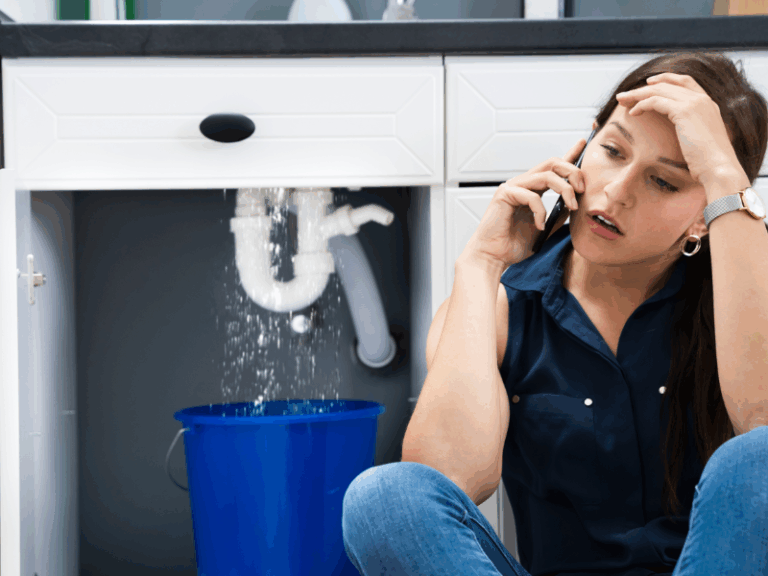
A small leak might not seem like a big deal. Whether it’s a slow drip under the sink or a faucet that doesn’t fully shut off, it’s easy to put off fixing it. However, even minor leaks can quietly drive up your water bill, waste energy and lead to damage that isn’t always visible right away. Taking care of leaks early can save you money, protect your home and prevent much bigger issues down the road. Here’s why even the smallest leak deserves attention.
1. The Hidden Cost
One slow drip can waste more water than most homeowners expect. A faucet that drips once per second can waste more than 3,000 gallons of water each year. If that leak involves hot water, you’re also paying to heat water that never gets used. Beyond higher utility bills, constant dripping puts unnecessary stress on your plumbing system. Over time, that added strain can lead to worn components, pressure problems or corrosion that shortens the lifespan of your pipes and fixtures.
2. Water Damage Adds Up Quickly
The most expensive leaks are often the ones you can’t see. A slow leak behind a wall, under flooring or inside cabinetry can lead to mold growth, wood rot and even structural damage. By the time a stain appears or a musty odor develops, the problem may already be extensive.
Being proactive doesn’t mean overreacting it means addressing leaks early, before they have a chance to spread and cause costly damage.
3. Common Places Leaks Happen
Not all leaks are obvious. Some stay hidden for months while quietly causing damage. Periodically checking a few key areas around your home can help catch problems early:
- Under sinks and bathroom vanities
- Around toilets and supply lines
- Near water heaters, washing machines and dishwashers
- Walls or ceilings close to showers and tubs
Unexplained water sounds, stains, bubbling paint or soft flooring are all signs that water may be leaking where it shouldn’t be.
4. Why Fixing Early Pays Off
Addressing leaks promptly protects more than just your plumbing. Early repairs help prevent secondary issues that can become far more expensive to fix later. Taking care of leaks early can lead to:
- Lower water and energy bills
- Reduced risk of mold or mildew
- Protection for your home’s structure
- A more efficient, reliable plumbing system
Just as important, it offers peace of mind. Knowing your plumbing is secure means fewer surprises and less stress.
5. When to Call a Professional
Some plumbing issues are easy to handle, but leaks are often more complex than they appear. If you can’t locate the source, notice a sudden drop in water pressure or the problem keeps returning after a quick fix, it’s time to call a professional.
Licensed plumbers have the tools and experience to pinpoint leaks accurately, even behind walls, and repair them correctly the first time.
Stay Ahead
Leaks rarely fix themselves. What starts as a simple repair can turn into major damage if left unchecked. Catching issues early helps preserve your home, control costs and keep your plumbing system working as it should. Even small leaks are worth addressing sooner rather than later.
FAQs
How often should plumbing be inspected for leaks?
Most homes benefit from a professional plumbing inspection once a year. Inspections are especially helpful before or after winter, when pipes experience the most stress.
Can leaks increase energy bills as well?
Yes. Leaks involving hot water force your water heater to work harder, increasing energy use and monthly costs.
What’s the best way to prevent leaks?
Routine maintenance makes a big difference. Monitoring water pressure, replacing aging hoses or washers, as well as watching for early signs of moisture can help prevent leaks before they become serious problems.